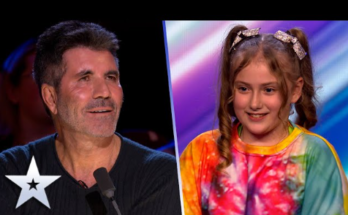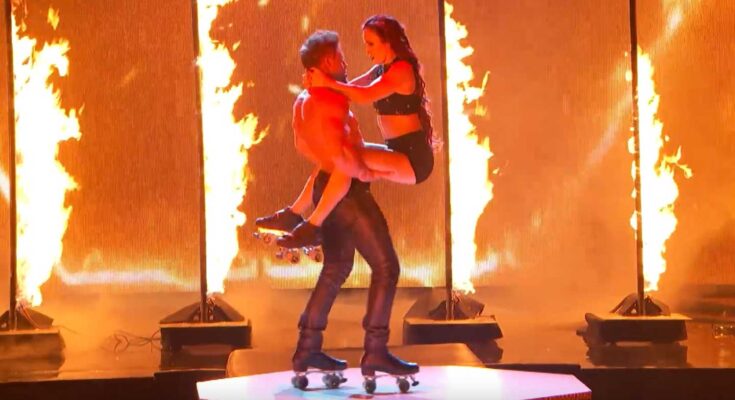
The phrase “When DANGER Acts Go WRONG😨😨𝐖𝐚𝐭𝐜𝐡 𝐯𝐢𝐝𝐞𝐨 𝐢𝐧 𝐜𝐨𝐦𝐦𝐞𝐧𝐭𝐬 𝐛𝐞𝐥𝐨𝐰 👇” is a highly viral caption template commonly found across social media platforms like Facebook and TikTok. These posts leverage intense, high-stakes clips from reality television franchises to drive massive user engagement, particularly using hashtags like
#americasgottalent, #AmericasGotTalentAuditions, #AmericasGotTalent2016, and #americasgottalentseason7.By analyzing the mechanics of these viral posts, the television history of dangerous variety performances, and the psychological impact of public failures, we can understand why this specific style of clickbait continues to dominate digital feeds.
The Psychology of High-Stakes Entertainment
Television programs have captivated global audiences for decades by showcasing human capability taken to its absolute limits. Danger acts—ranging from sword swallowing and blindfolded crossbow shooting to complex escape artistry under blazing fire—rely fundamentally on the illusion or reality of imminent peril. When an audition functions perfectly, audiences experience a psychological release known as catharsis.
However, when a routine goes wrong, the atmosphere changes instantly from theatrical suspense to genuine panic. This thin line between calculated risk and catastrophic failure triggers an evolutionary human response rooted in morbid curiosity. Viewers find it nearly impossible to look away from a scenario where real physical harm is unfolding in real-time on a brightly lit stage.
Anatomy of a Viral Clickbait Post
The specific caption provided utilizes precise social media optimization strategies designed to manipulate platform algorithms:
- Emotional Emojis: The shocked faces (😨😨) serve as immediate visual anchors, signaling extreme distress or surprise to scrolling users before they even read the text.
- Urgent Call to Action: The phrase “𝐖𝐚𝐭𝐜𝐡 𝐯𝐢𝐝𝐞𝐨 𝐢𝐧 𝐜𝐨𝐦𝐦𝐞𝐧𝐭𝐬 𝐛𝐞𝐥𝐨𝐰 👇” is a tactical maneuver. Page creators often place the actual external link or the climax of the video clip in the comment section. This forces users to click the comment button, increasing the post’s internal interaction metrics. Higher comment engagement signals to platform algorithms that the piece is highly engaging, pushing it into more user feeds.
- Strategic Tagging: The inclusion of hashtags linking to the 2016 season (Season 11) and Season 7 taps into specific historical sweet spots of the talent franchise. These specific seasons hosted infamous daredevil acts whose clips continue to pull in retrospective traffic years after their original broadcast.
Notable Danger Anomalies in Talent History
Several high-profile incidents explain why these historical tags carry so much digital weight. During America’s Got Talent Season 11 (2016), a daredevil duo named Ryan Stock and AmberLynn Walker performed an act where AmberLynn was tasked with shooting a flaming arrow at a target placed in Ryan’s mouth. Live on television, the equipment malfunctioned or the aim missed slightly, resulting in the flaming arrow striking Ryan directly in the neck. Though he escaped serious injury, the live reactions of the judges and the studio audience became an indelible, highly clipped moment in reality TV history.
Similarly, other spin-offs and seasons have featured escape artists getting trapped in boxes engulfed in flames or water tanks jamming, requiring crew members to intervene with axes and fire extinguishers. Another frequent subject of these videos is crossbow marksman Ben Blaque, whose complex mechanical triggers have occasionally jammed or misfired during high-stakes performances, creating intense safety scares for everyone on set.
The Digital Lifecycle of Reality TV Clips
Once these moments air, they enter a secondary lifecycle on social media managed by aggregate pages, digital creators, and entertainment blogs. These pages frequently chop the original broadcast into short, high-resolution segments, looping the moments immediately preceding the failure to maximize tension. By framing these occurrences with sensational headlines, creators convert legacy television broadcasts into continuous streams of digital revenue and page growth.
If you are interested in exploring how reality TV formatting functions behind the scenes, I can break down the safety protocols and contingency plans used during live broadcasts, or analyze the evolution of the show’s editing styles
over the past decade. Let me know how you would like to proceed!
AI can make mistakes, so double-check responses